
Living on Florida’s Space Coast: Beachside or Mainland? Which Is Right for You?
When people think about moving to Florida’s Space Coast, they often picture living near the beach. And I get it. The Atlantic Ocean, miles of sandy shores, and the coastal lifestyle. What’s not to love?
But others are looking for something different. Maybe it’s a newer home, a larger property with room to spread out, or an established neighborhood close to shopping, restaurants, and everyday conveniences.
Living beachside and living on the mainland can be two very different experiences. And I’m not just talking about home prices.
Insurance costs, traffic, housing options, maintenance, and even your everyday routine can look pretty different depending on which side of the bridge you call home.
So, if you’re thinking about moving to Florida’s Space Coast, let’s compare beachside and mainland living in Brevard County, including some things you might not have considered.
What Does Living Beachside on the Space Coast Actually Mean?
First, let’s clarify something. When I say beachside, I don’t necessarily mean living directly on the ocean or having an ocean view.
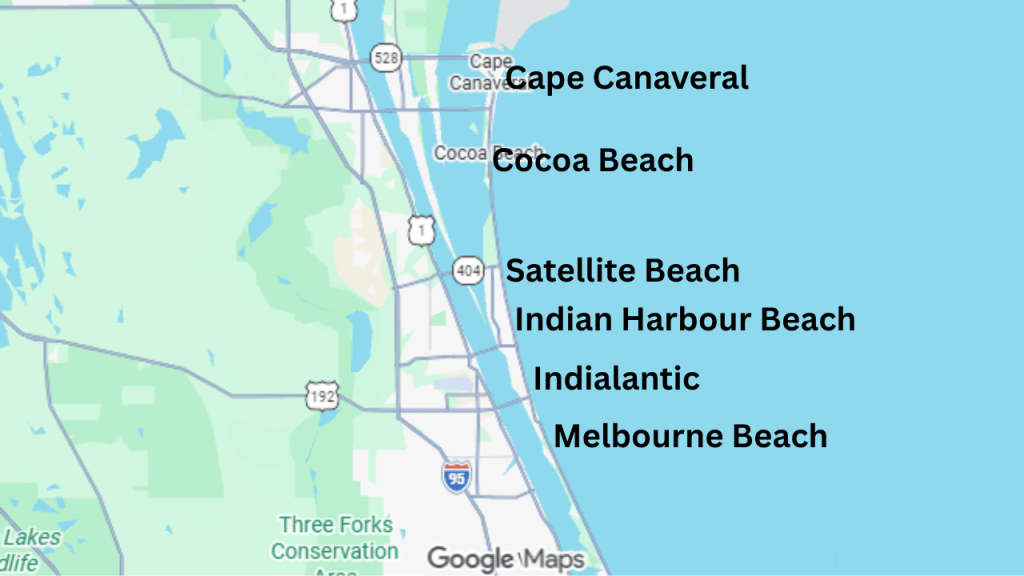
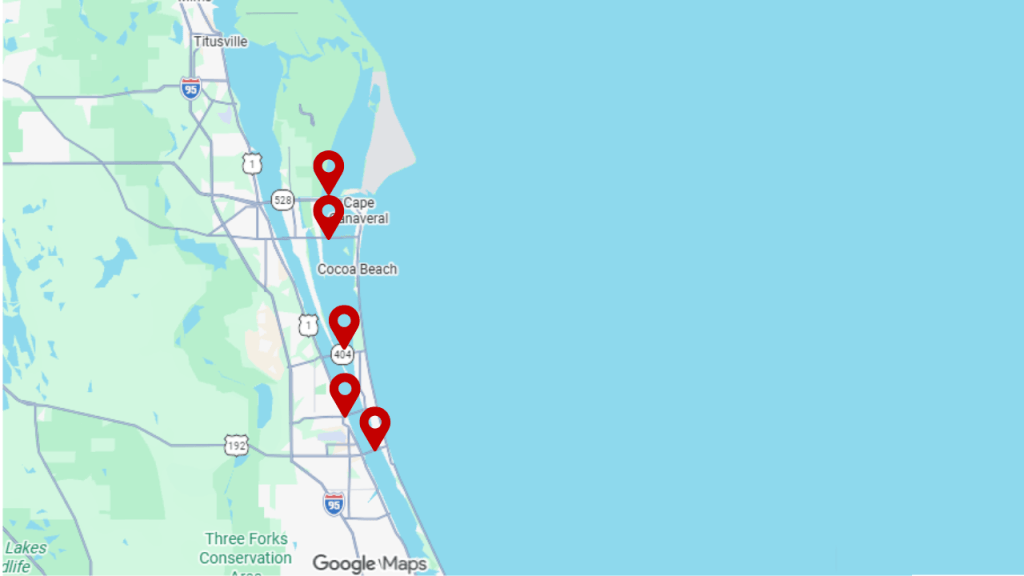
I’m talking about communities along the A1A corridor, including Cape Canaveral, Cocoa Beach, Satellite Beach, Indian Harbour Beach, Indialantic, and Melbourne Beach.
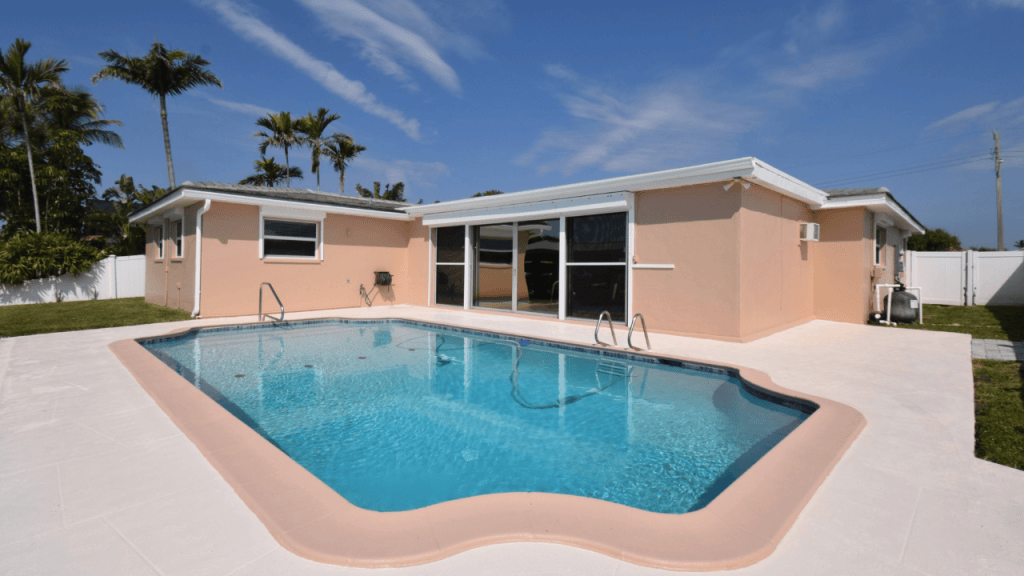
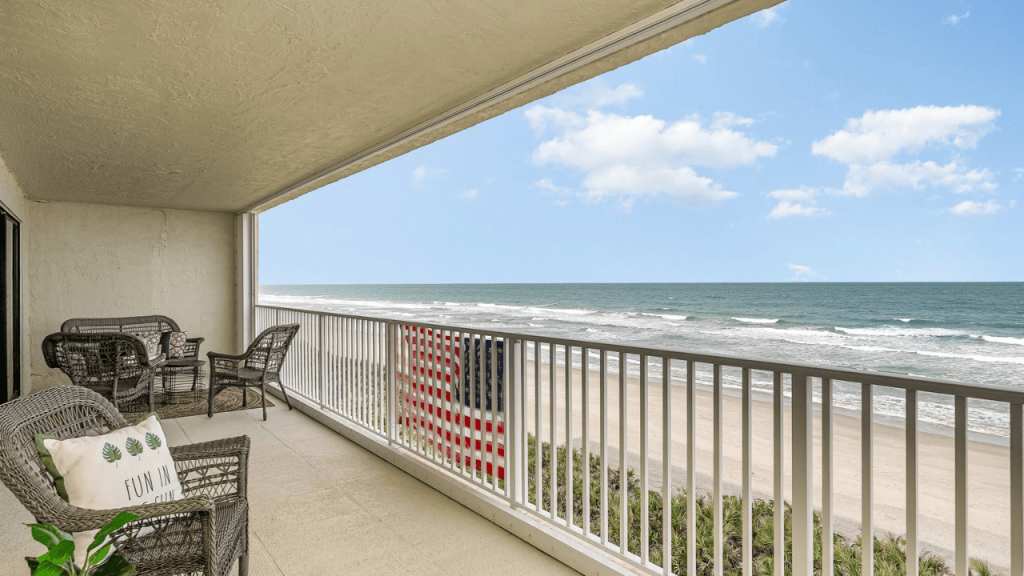
You could live in an oceanfront condo, a riverfront home, or an established neighborhood several blocks from the beach.
The common denominator? You don’t have to cross a bridge to get to the ocean.
That’s an important distinction because beachside living offers considerably more housing variety than just multimillion-dollar oceanfront properties.
The Appeal of Living Beachside
The biggest attraction is obvious: the beach.
Depending on where you live, you might be able to walk or ride your bike to the ocean. Even if you’re several blocks away, you’re generally just a short drive from a public beach access.
And there’s more to beachside living than the Atlantic Ocean.
The Banana River and Indian River Lagoon offer opportunities for boating, kayaking, paddleboarding, and fishing. You’ll also find neighborhood parks, local restaurants, and plenty of outdoor activities.
Each beachside community has its own personality.
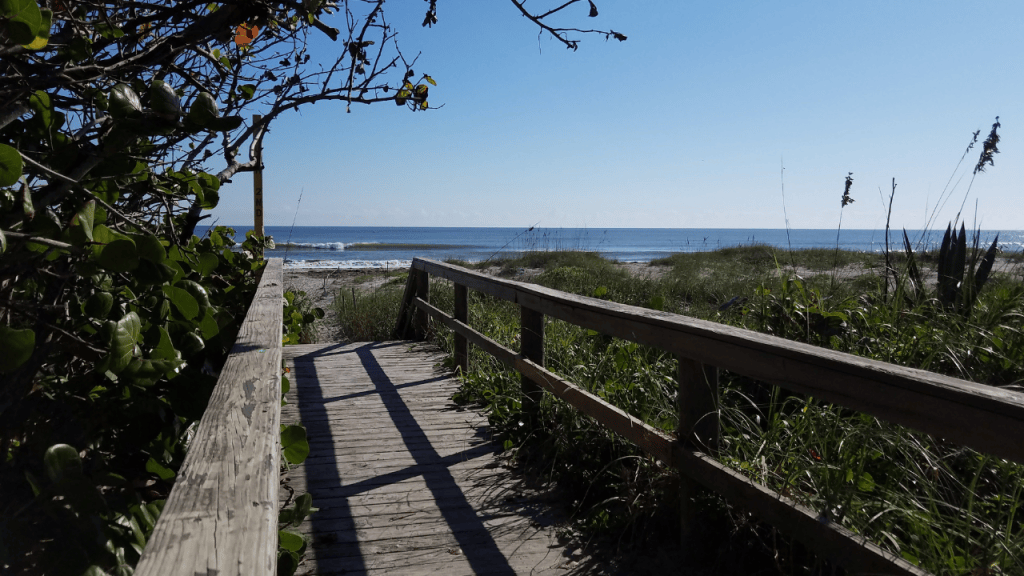
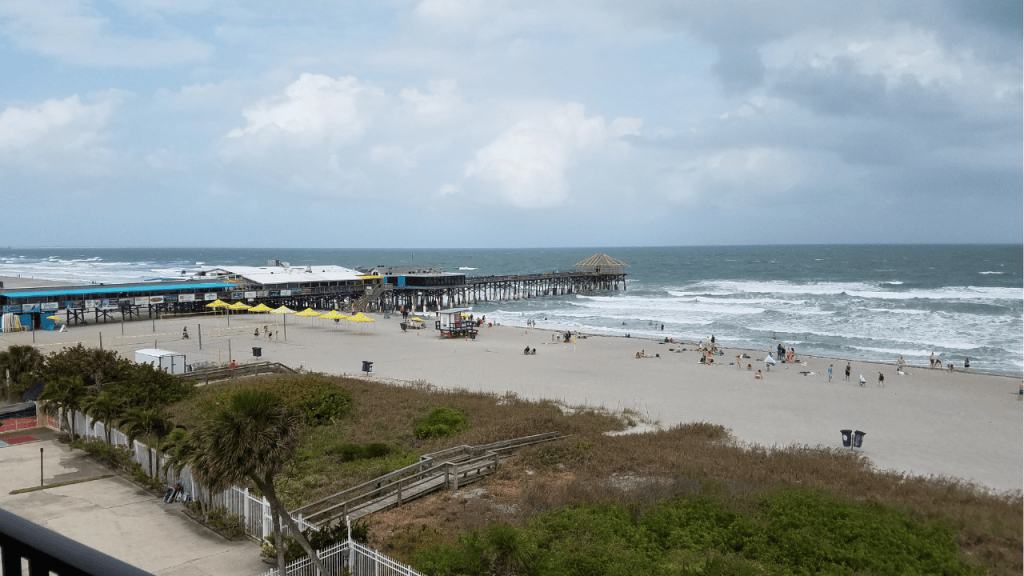
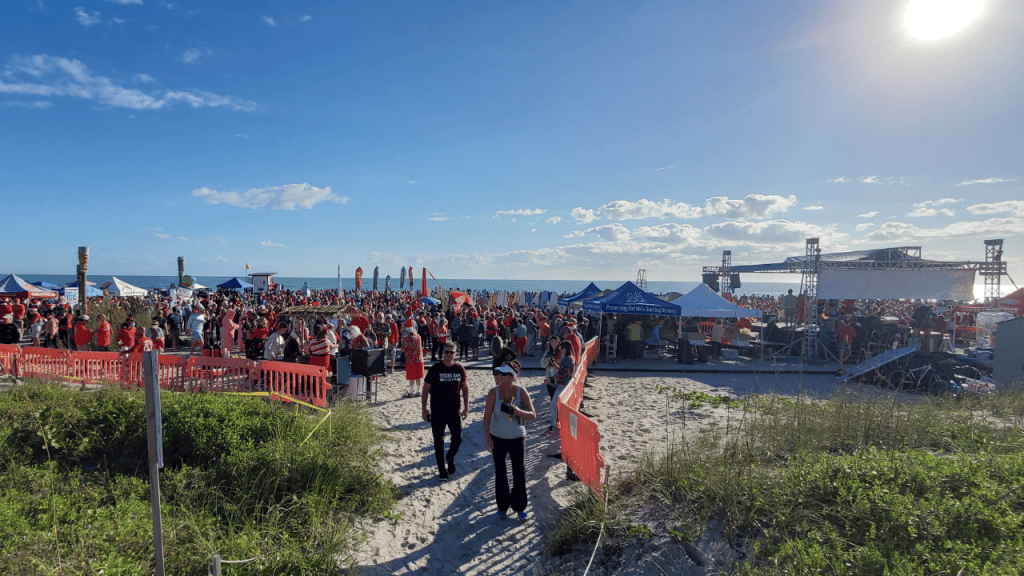
Cocoa Beach has more of a surf-town and tourist atmosphere, particularly around downtown and the Cocoa Beach Pier. Satellite Beach is generally more residential, while Indialantic and Melbourne Beach offer a combination of established neighborhoods, local businesses, and beach access.
But here’s something to remember. Living beachside doesn’t automatically mean you can walk everywhere.
Some neighborhoods are convenient to restaurants, shops, and grocery stores. In others, you’ll still be getting in your car for most errands.
What Types of Homes Are Available Beachside?
Our beachside communities offer a wide variety of single-family homes.
You’ll find smaller homes built during the 1950s and 1960s, larger properties that have been extensively renovated, waterfront homes along canals and rivers, and luxury oceanfront estates.
And then there are the condos.
The A1A corridor has a particularly large concentration of condominiums, with most of those located in Cocoa Beach and Cape Canaveral.
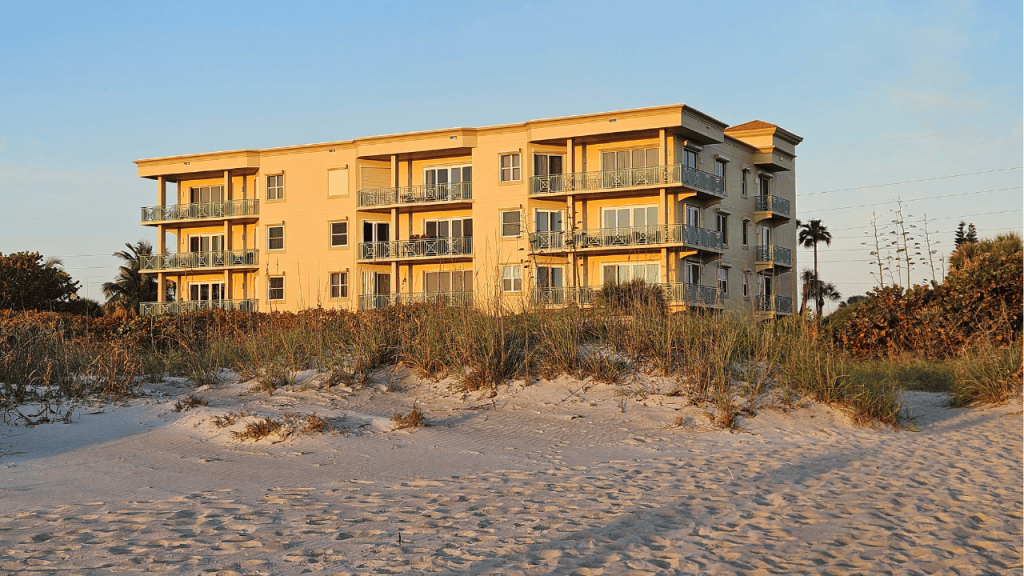
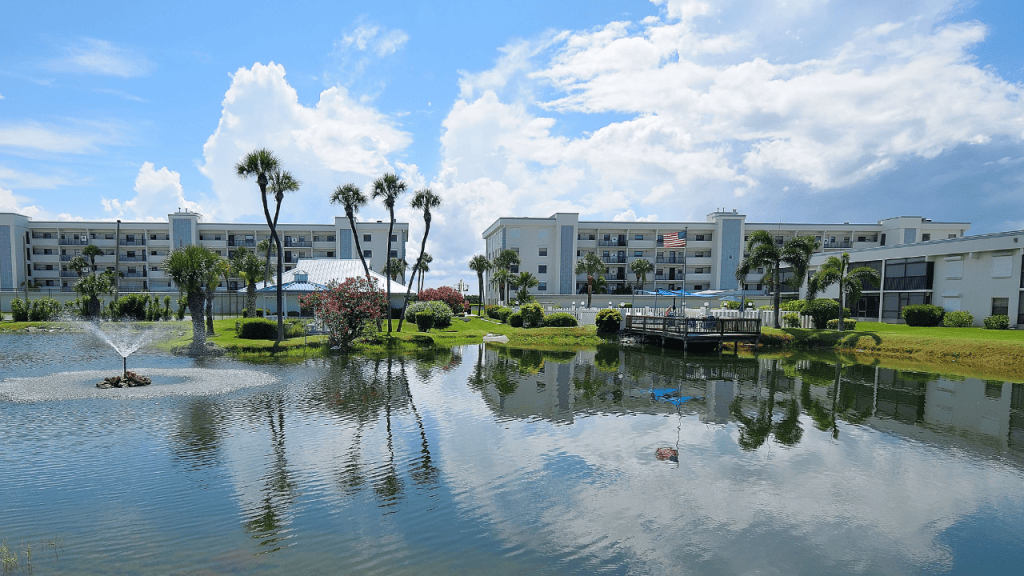
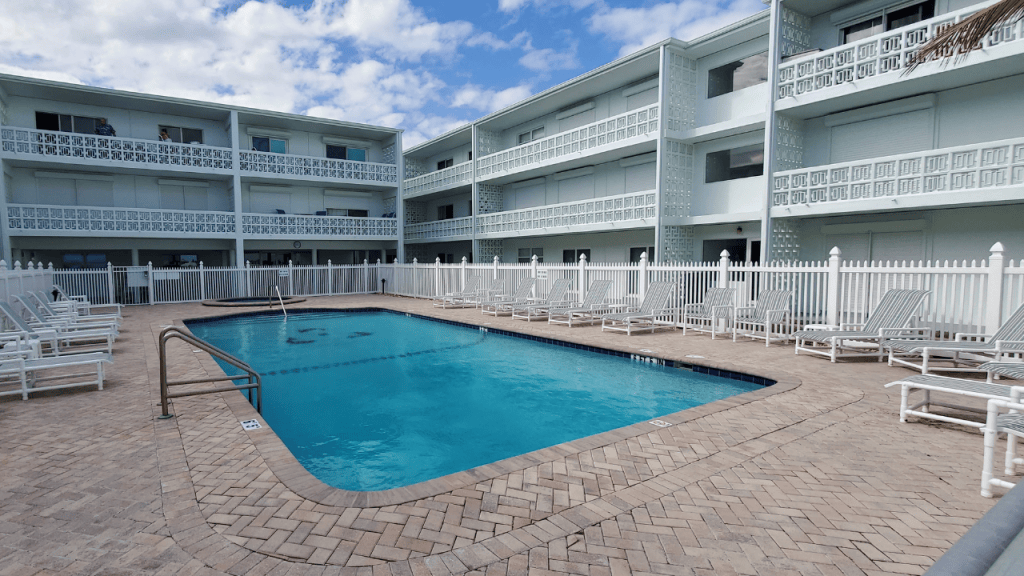
There are oceanfront condos, riverfront condos, and plenty of communities in between. Some are smaller buildings with only a handful of units, while others are larger complexes offering swimming pools, clubhouses, and additional amenities.
But whether you’re purchasing a single-family home or condo, the purchase price is only part of the equation.
And that brings us to some of the drawbacks.
The Additional Costs of Living Beachside
There’s an added cost to living in this kind of paradise.
Salt Air and Maintenance
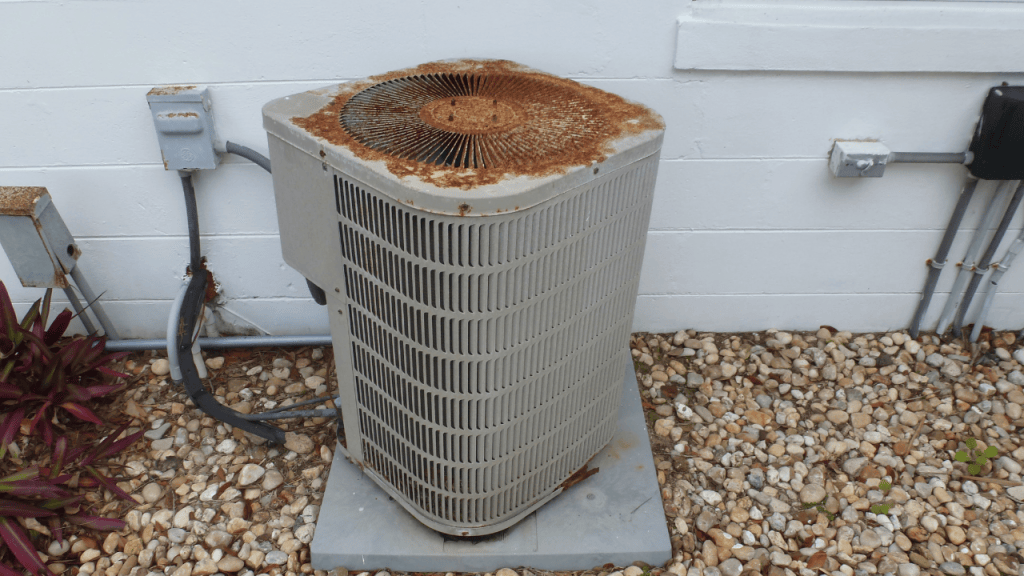
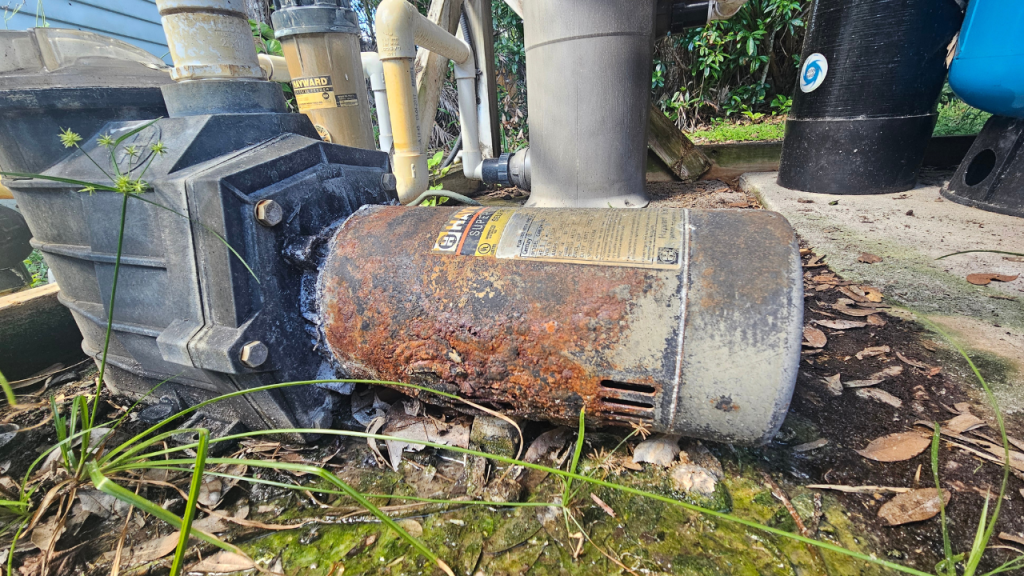
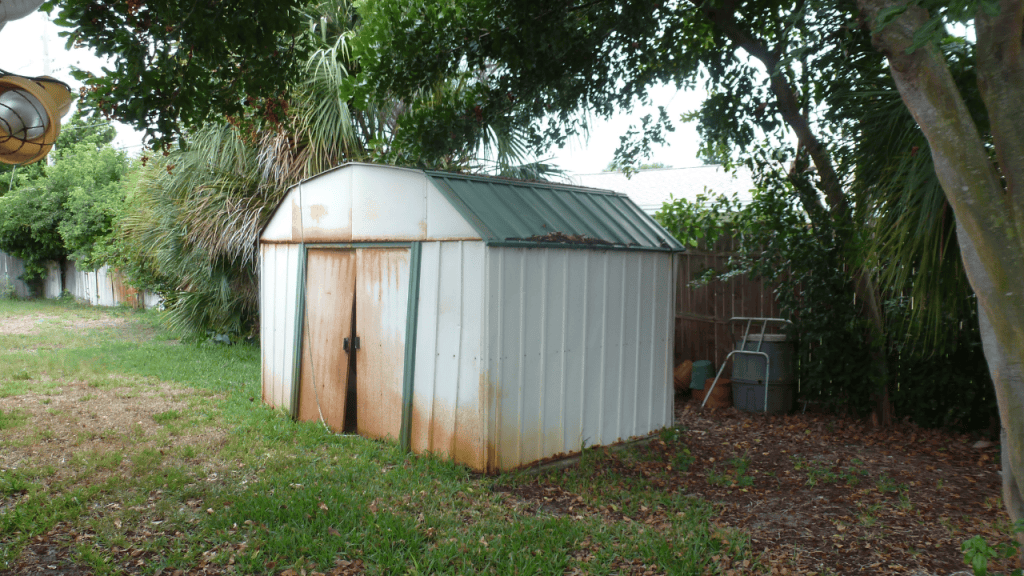
Salt air takes its toll on just about everything metal.
Air conditioning systems, outdoor fixtures, garage doors, and even your vehicle can experience corrosion from constant exposure to the coastal environment.
That means additional maintenance and potentially replacing certain components sooner than you would farther inland.
Homeowners and Flood Insurance
Being on a barrier island, surrounded by water and close to the ocean, can mean higher homeowners insurance premiums.
Depending on the property’s flood zone and elevation, flood insurance could also be a significant expense.
Insurance costs vary by property, so it’s important to get actual quotes before making a purchase decision.
Traffic and Tourism
On nice weekends, holidays, and during peak tourist periods, A1A can get congested with visitors heading to the beaches.
If you commute to the mainland for work, you’ll also need to factor in crossing one of the causeways.
Hurricane Evacuations
Our barrier island communities are within hurricane evacuation zones.
When local officials issue mandatory evacuation orders affecting these areas, residents need to leave. Not every approaching hurricane results in an evacuation order, but having an evacuation plan is an important part of living beachside.
None of these are necessarily reasons not to live near the ocean. They’re simply part of the reality of living in a coastal environment.
Mainland Living: More Housing Options and Variety
Now let’s cross the bridge and talk about mainland living.
One of the biggest differences is the variety of housing options available.
Yes, you’ll find condos, townhomes, and manufactured homes, but there’s also a much larger selection of single-family homes.
And if you’re looking for something newer, the mainland is where you’ll find most of Brevard County’s newer construction and homes built over the last 20 years.
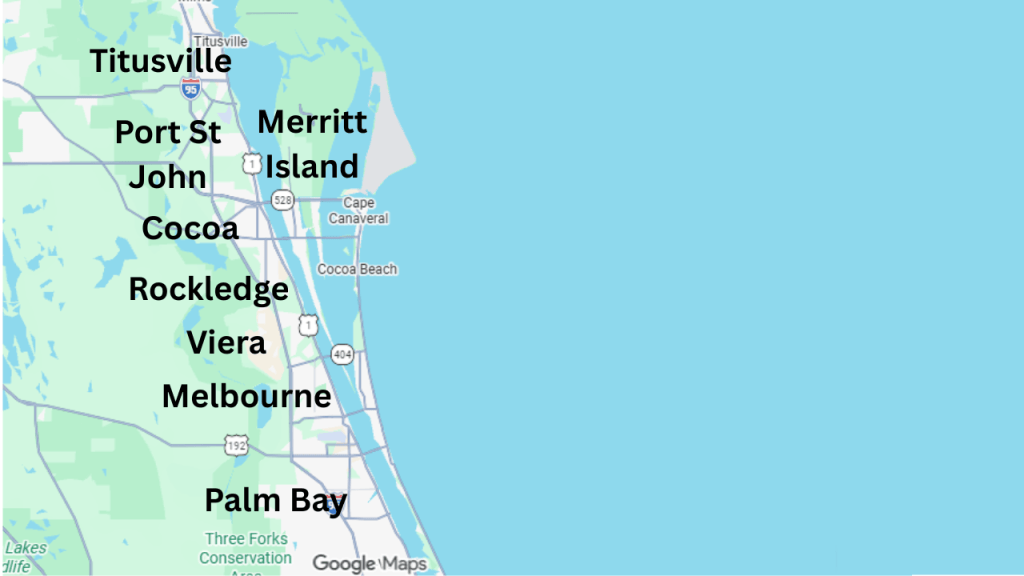
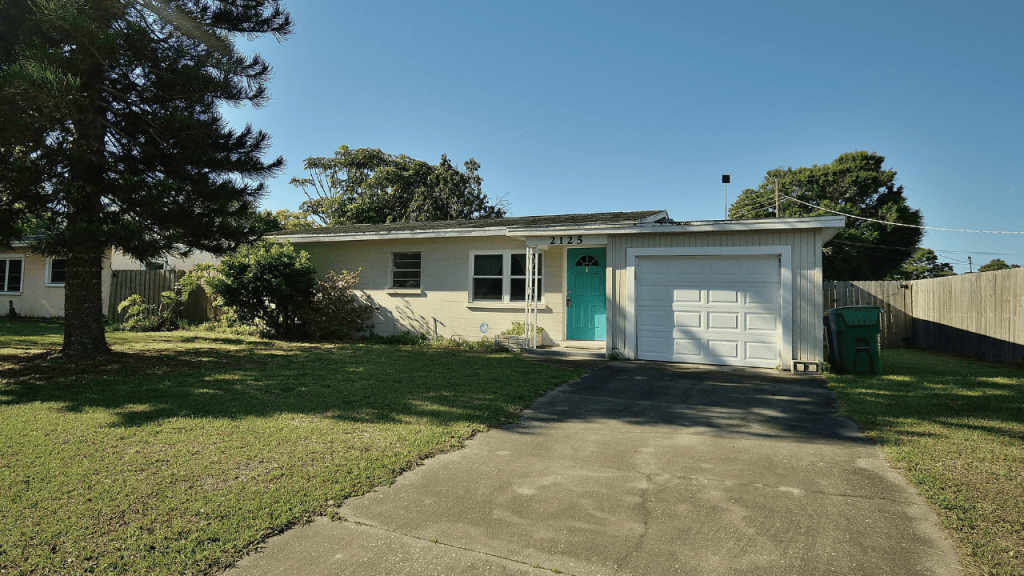
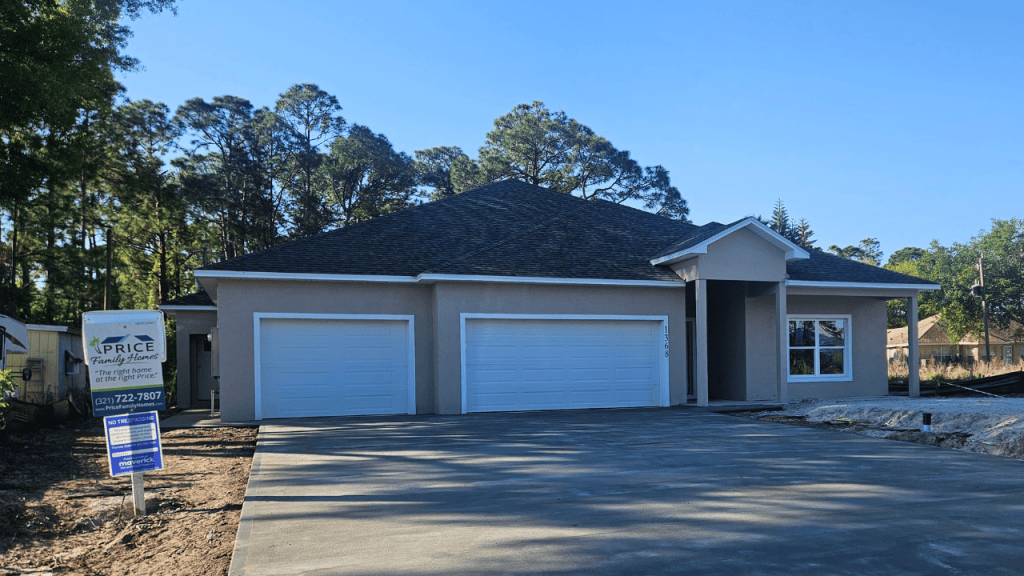
You’ll find established neighborhoods in Melbourne, Rockledge, and Merritt Island, newer master-planned communities in Viera, and considerable new construction activity in Palm Bay and other parts of the county.
There’s also a wider variety of lot sizes, from smaller properties with minimal yard maintenance to homes sitting on an acre or more.
Depending on where you’re looking, you may be able to purchase a newer or larger home for considerably less than a comparable property beachside.
Different Mainland Communities, Different Lifestyles
One of the things I like about mainland living is the variety of lifestyles available.
Living in one of Viera’s newer master-planned communities is a completely different experience from living in an established Melbourne neighborhood.
If you’re looking for more space and a country-living feel, you’ll find larger properties in places like Grant-Valkaria, Canaveral Groves, and along Turtle Mound Road in Melbourne.
And if boating is your thing, you don’t have to live beachside to enjoy being on the water.
There are waterfront homes along the Indian River and other waterways, including properties with private docks and boat lifts.
Or you can keep your boat on a trailer and take advantage of the many public boat ramps throughout Brevard County.
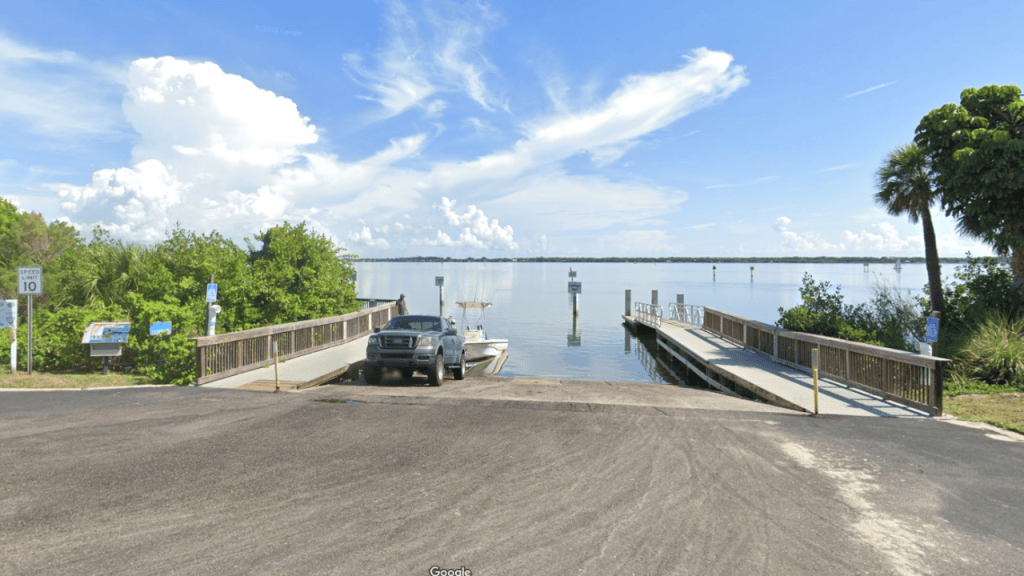
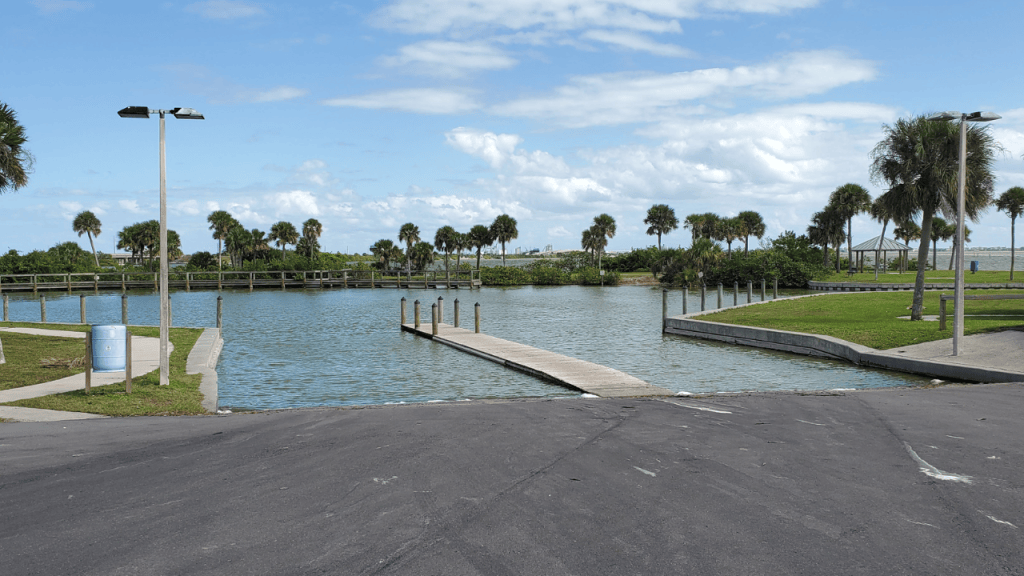
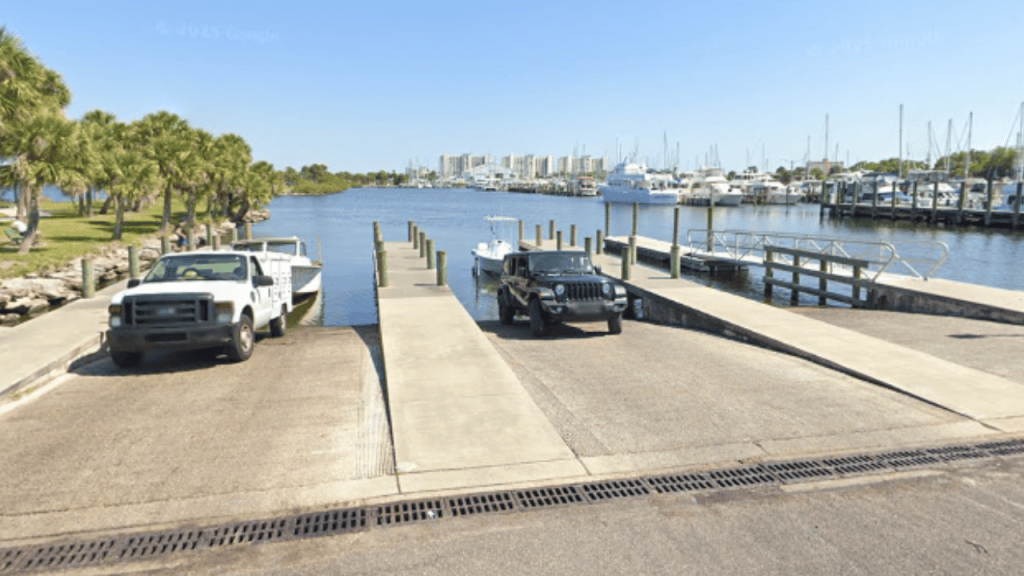
You can live in a neighborhood with community amenities, on a larger property with room to spread out, or right along the water.
That’s one of the biggest advantages of mainland living. You simply have more choices when it comes to the type of property and lifestyle you’re looking for.
Shopping, Restaurants, and Everyday Convenience
While there are certainly restaurants, grocery stores, and local businesses beachside, you’ll find a much larger concentration of shopping and dining options on the mainland.
Costco, Sam’s Club, BJ’s Wholesale Club, and most of the major big-box retailers are located on the mainland.
And between Publix and Aldi, sometimes it feels like there’s a grocery store every couple of miles.
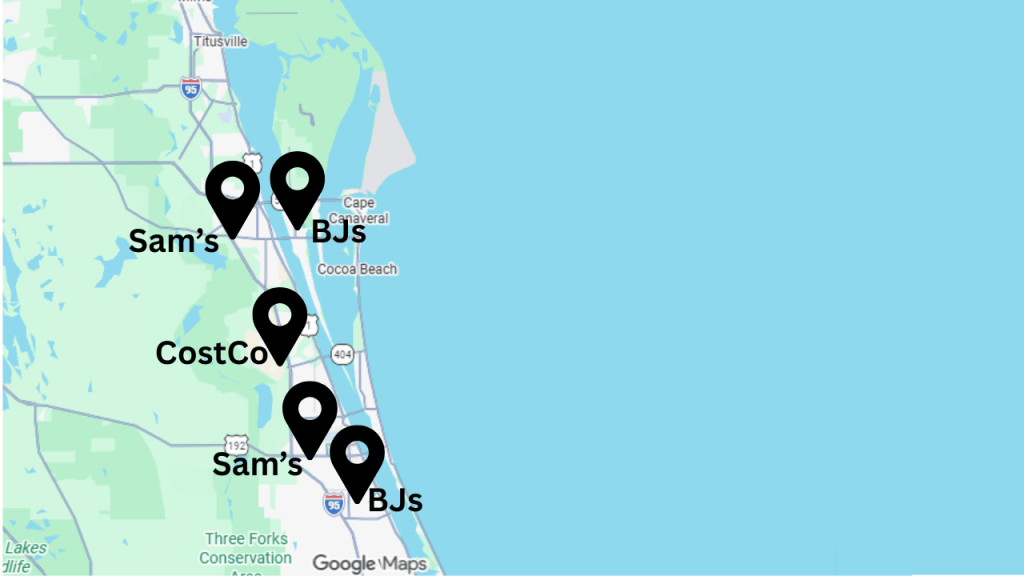

You’ll also find larger shopping centers, more restaurant choices, and many of the services people use regularly.
That’s not to say you can’t find what you need beachside. But depending on where you live, you may find yourself crossing a bridge for certain shopping trips.
It’s one of those everyday considerations that might not seem important when you’re vacationing here but can make a difference when you’re living here year-round.
What About Traffic?
Here’s something both mainland and beachside residents have in common: traffic can be a headache.
Beachside, A1A can become congested during weekends, holidays, and peak tourist periods.
On the mainland, major roads like Wickham Road, US-1, and intersections around I-95 can get backed up, particularly during morning and afternoon commutes.
And then there are the causeways.

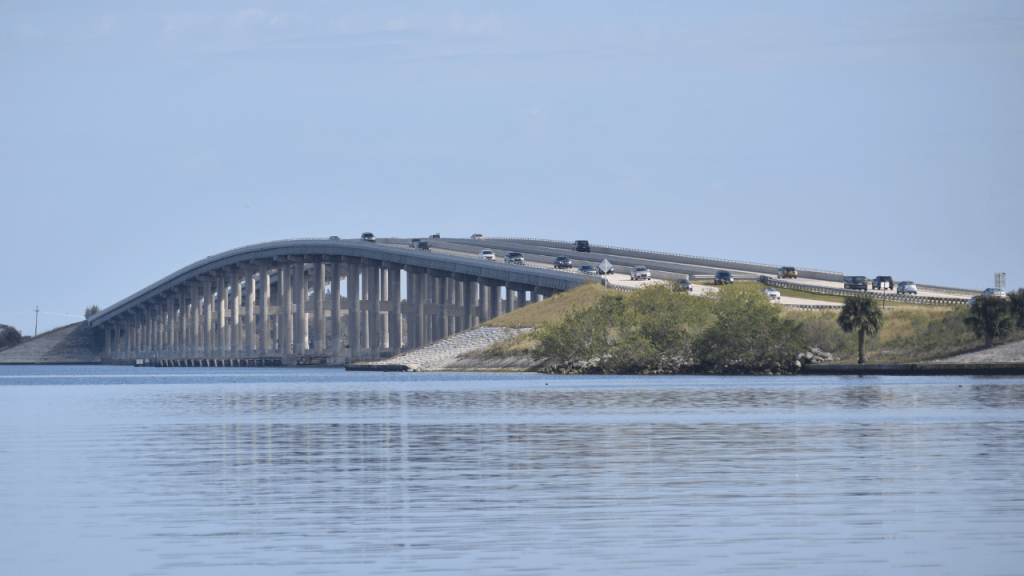
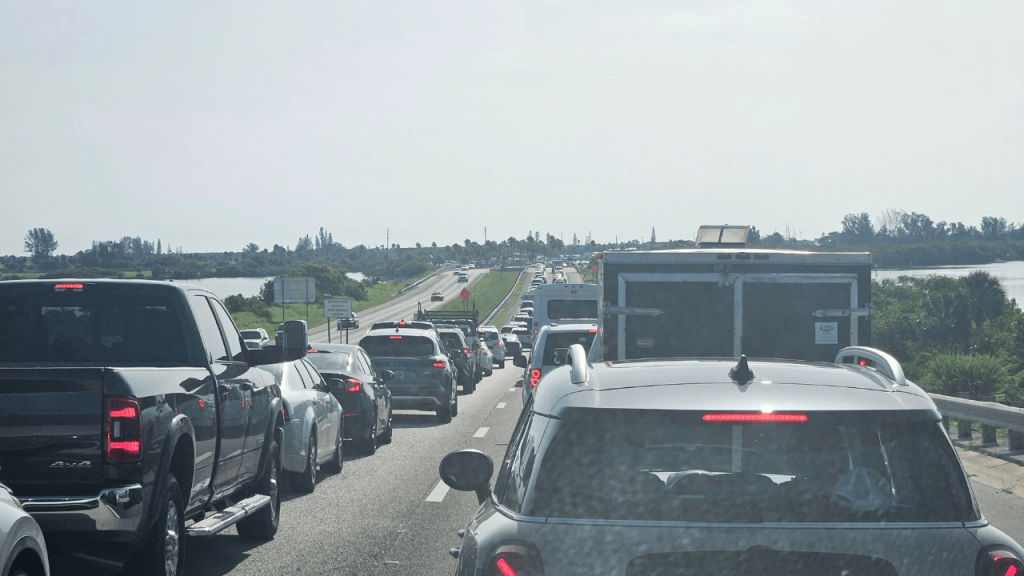
If you live beachside but work on the mainland, or vice versa, crossing a bridge may become part of your daily routine.
I wouldn’t necessarily choose one location over another based on traffic alone.
Instead, consider where you’ll be working, shopping, and spending most of your time.
A home that appears to be 15 minutes from your workplace on a map might be a very different drive during rush hour.
Beachside vs. Mainland Home Prices: What Does the MLS Data Show?
Now let’s talk about two of the biggest differences between beachside and mainland homes: age and price.
I analyzed 12 months of closed single-family home sales throughout Brevard County, from October 1, 2025, through September 30, 2026.
The results are pretty interesting.
Single-Family Home Sales Comparison
| Category | Beachside | Mainland |
|---|---|---|
| Homes Sold | 715 | 8,293 |
| Median Sale Price | $675,000 | $362,000 |
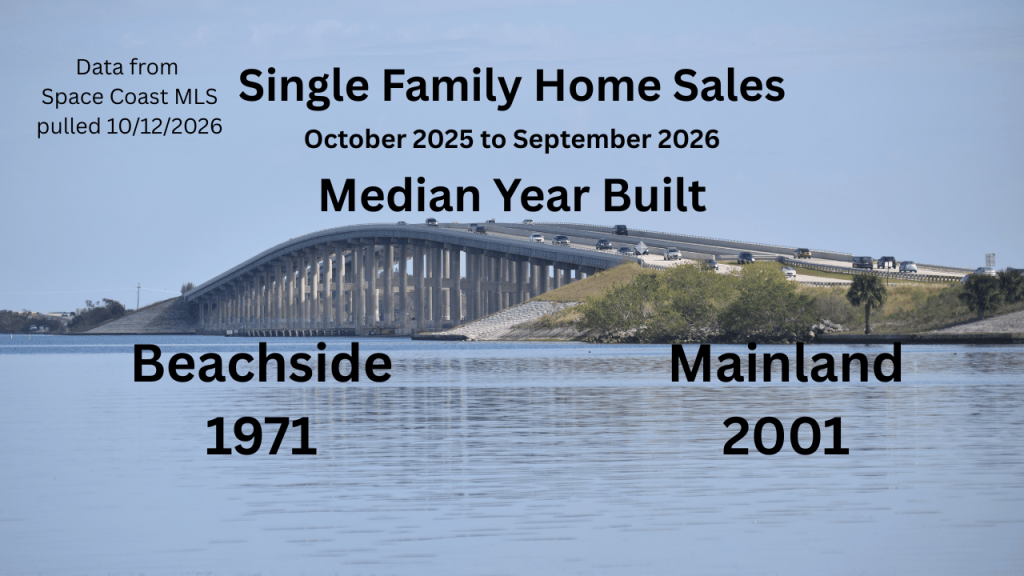
| Median Year Built | 1971 | 2001 |
| Median Living Area | 2,032 sq. ft. | 1,828 sq. ft. |
| Median Sold Price Per Sq. Ft. | $340 | $207 |
Source: Brevard County MLS closed single-family home sales, October 1, 2025 through September 30, 2026. Beachside and mainland are geographic groupings used for this comparison.
Beachside Homes Are Generally Older
The median year built for homes sold beachside was 1971.
On the mainland, it was 2001.
That’s a 30-year difference.
In fact, approximately 52% of mainland homes sold were built in 2000 or later, compared with just 15% of beachside sales.
This reflects the fact that many beachside neighborhoods were developed decades ago, while much of Brevard County’s more recent residential development has occurred on the mainland.
There are newer homes beachside, of course, but with limited vacant land remaining, new construction opportunities are much more restricted.
The Beachside Price Premium
The median beachside single-family home sold for $675,000.
On the mainland, the median was $362,000.
That’s a difference of $313,000, or approximately 86%.
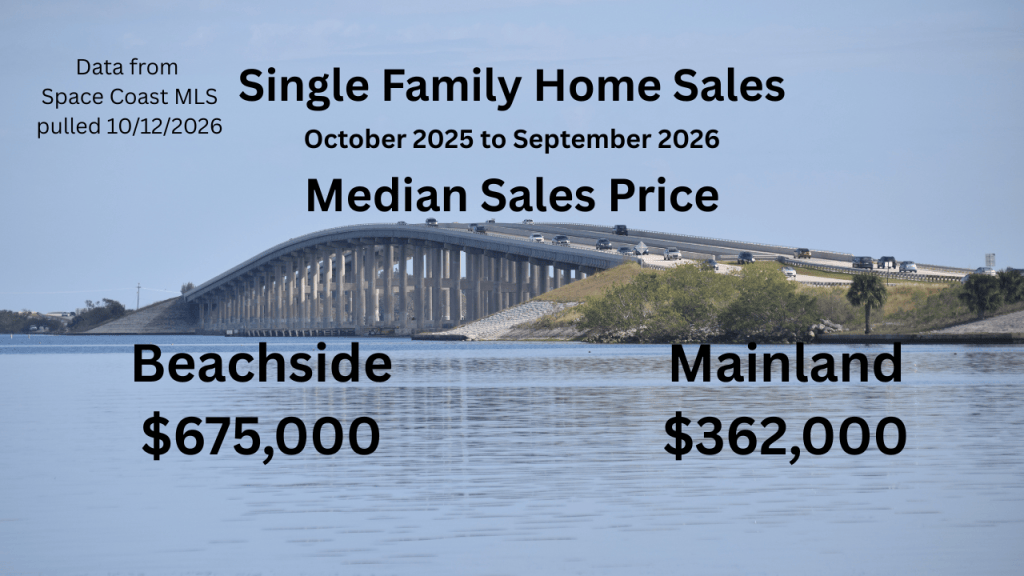
Of course, we’re not comparing identical homes. Beachside homes in this sales sample were generally larger, and waterfront properties can command significantly higher prices.
But here’s something interesting.
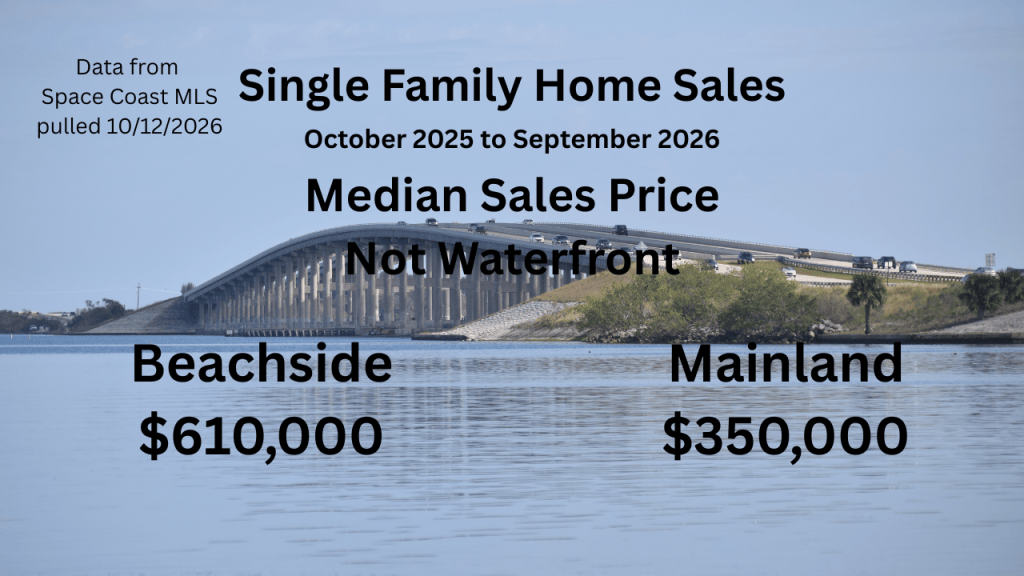
Even when we remove waterfront properties from the comparison and look only at homes on dry lots, the median beachside home sold for $610,000, compared to $350,000 on the mainland.
That’s still a $260,000 difference.
It demonstrates that the beachside price premium isn’t exclusively about waterfront properties.
Location and proximity to the ocean are significant factors.
However, that doesn’t mean every beachside home is more expensive than every mainland home.
A newer property in Viera could easily cost more than an older home in Cocoa Beach. Waterfront homes on either side of the bridges can also command premium prices.
These figures represent the median prices of homes that actually sold, not a comparison of otherwise identical properties.
The takeaway is that mainland buyers generally have a broader range of price points and newer housing options, while beachside buyers often pay more for the location.
Don’t Forget About HOA and CDD Fees
While we’ve discussed the additional costs of beachside living, there are expenses to consider on the mainland, too.
Many newer mainland communities have homeowners associations, and some properties are also subject to Community Development District assessments, commonly called CDD fees.
These expenses can add to the overall cost of owning a home.
And regardless of whether you’re buying beachside or on the mainland, you’ll want to review property taxes, insurance, maintenance, and any applicable association fees before making a decision.
Also, living on the mainland doesn’t automatically eliminate flood risks or hurricane-related concerns. Those depend on the specific property’s location and characteristics.
Living on the Mainland Doesn’t Mean Giving Up the Beach
This is something I think relocation buyers sometimes overlook.
You can live on the mainland and still enjoy the beaches, boating, fishing, and outdoor activities that make the Space Coast such an appealing place to live.
Depending on where you live and traffic conditions, you could be just 15 or 20 minutes from the beach.
For some people, that’s an ideal arrangement.
They can enjoy the ocean whenever they want while having more housing options and everyday conveniences closer to home.
For others, there’s simply no substitute for living on the barrier island and having the beach just a short walk or bike ride away.
And that’s perfectly understandable, too.
So, Which Is Right for You: Beachside or Mainland?
Ultimately, there’s no right or wrong answer.
If being close to the ocean, walking or biking to the beach, and enjoying a coastal lifestyle are high on your priority list, beachside living might be worth the additional cost.
But if you’re looking for a newer home, more space for your money, or a wider variety of neighborhoods and housing options, the mainland might make more sense.
The important thing is understanding the differences before making your decision.
I’ve been helping people buy and sell homes throughout Brevard County since 2003, and one thing I’ve learned is that what works for one person might not work for someone else.
It’s about finding the location and home that fit your lifestyle, budget, and everyday routine.
What would you choose? Beachside or mainland living on Florida’s Space Coast?
If you’re thinking about buying or selling a home in Cocoa Beach, Cape Canaveral, Satellite Beach, Melbourne, Viera, Merritt Island, or anywhere else in Brevard County, I’m always happy to answer questions and share what I know about the area. No pressure or obligation.
Eric Larkin | Broker Associate
Real Broker, LLC
Call or Text: 321-795-1854
Website: https://ericlarkin.com
Local real estate information, market updates, and Space Coast news at CocoaBeachInsider.com.


Eric Larkin is a Broker Associate with Real Broker, LLC. He lives, works, and plays in the Cocoa Beach area. If you have questions about moving or relocating to Cocoa Beach and the Space Coast, let me know! I get calls, texts, direct messages & comments on my posts every day about the real estate market and things that are happening in Cocoa Beach and the Space Coast that I love answering. Ask me your questions on moving, relocating here, or anything about the community. I am here to help. I have been helping buyers and sellers with their real estate needs since becoming a real estate agent in 2003. My focus is always on helping, answering your questions, and doing everything possible to make certain you have a smooth transaction from beginning to end.
Planning a move or have questions about our area? Eric Larkin with Real Broker, LLC can help! Schedule a call here https://www.ericlarkin.com/schedule-a-call
OR leave your info here and I will call you https://www.ericlarkin.com/contact-form

